Dunga did not lift the World Cup as a celebrated hero in 1994. He lifted it as the most scrutinized captain in Brazil's history. Twenty-four years after that penalty shootout against Italy in Pasadena, his legacy remains a Rorschach test for Brazilian football culture. Ask a fan in São Paulo about Dunga and you'll likely get a grimace. Ask a tactical historian and you'll get a nod of respect. The man born Carlos Caetano Bledorn Verri in Ijuí。Rio Grande do Sul, never fit the samba stereotype. He was a destroyer, a shield, a pragmatist in a country that demands poetry.I watched Dunga's Brazil play live only once—a dull 1-0 friendly win over Japan in 1995. What struck me wasn't his tackling, though that was relentless. It was his constant pointing, organizing。
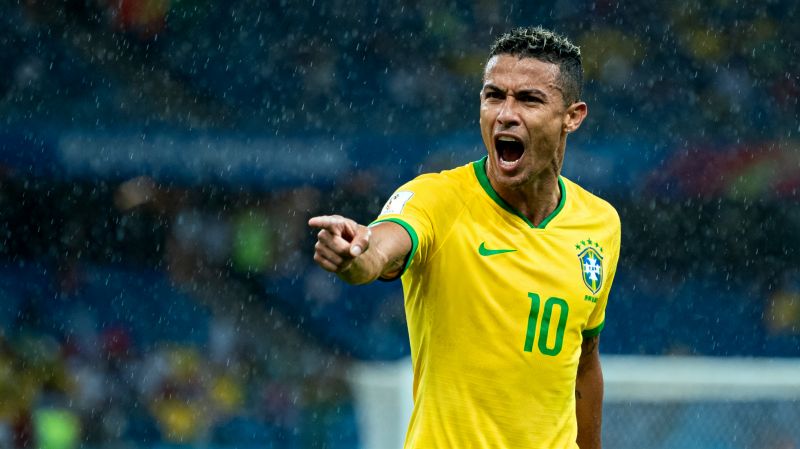
barking at teammates twenty meters away. He played like a foreman who knew the blueprints by heart. That 1994 midfield with Mauro Silva was not beautiful, but it was watertight. Brazil conceded only three goals in seven matches. Dunga committed more fouls than any other player in the tournament—a stat he wore like a badge. "I don't play to be liked," he once said. "I play to win."The criticism never stopped. Brazilians remembered 1990。when Dunga's errant backpass led to Argentina's Claudio Caniggia scoring the goal that eliminated them. That ghost followed him for four years. Even after redemption in 1994, pundits called that team "the least Brazilian Brazil ever." Dunga embodied the shift from joga bonito to results-first football. His long-ball assists to Romário were precise, but nobody bought his jersey. The irony: Dunga's discipline laid the foundation for Ronaldo and Rivaldo's flair in 1998 and 2002. Without his grunt work, the artists had no canvas.His managerial career mirrored his playing style—stubborn, defensive, confrontational. The 2010 World Cup quarterfinal exit to the Netherlands felt like a Dunga special: rigid, reactive, undone by one moment of chaos. His second stint ended in 2016 after a Copa América group-stage debacle. Critics accused him of favoring workhorses over creators。of treating media like adversaries. He sued a journalist once. That's Dunga—never softening, never apologizing.Here's my honest take: Dunga is the most misunderstood figure in modern Brazilian football. The same nation that reveres Garrincha's improvisation also demands trophies. Dunga delivered the first World Cup in 24 years and still got booed. He represents an uncomfortable truth—that winning sometimes requires ugliness. You don't have to like Dunga. But pretending his contribution was incidental is revisionist nonsense. He was the spine of a champion, and spines aren't pretty. They're just essential.